
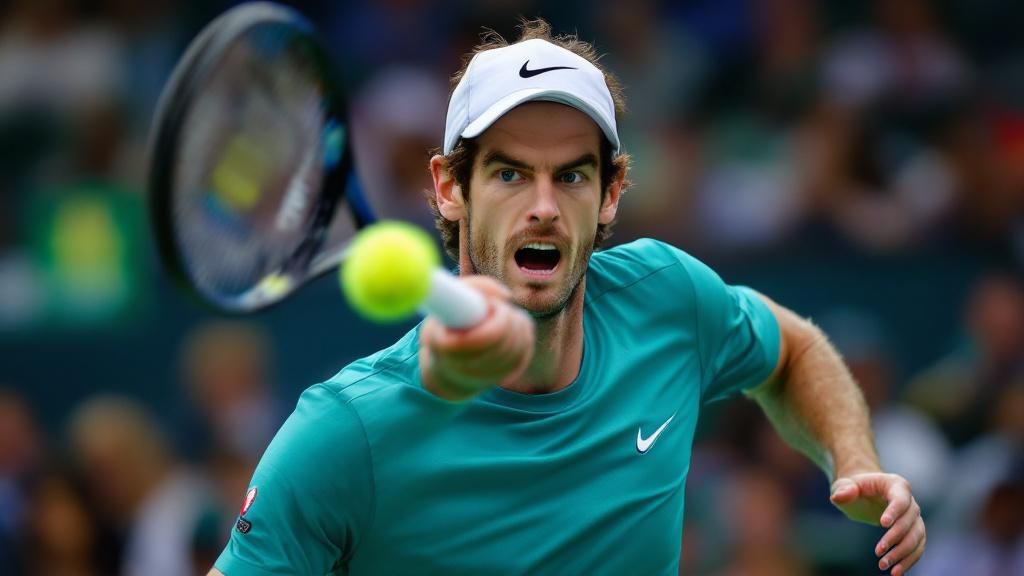
Andy Murray’s carefully orchestrated comeback to professional tennis has sent shockwaves through the British sporting establishment, signalling a likely revival for the nation’s most successful player. Following his serious hip operation, Murray’s strategic return to competition promises to reconfigure the British tennis landscape, inspiring a emerging generation whilst reviving hopes of further Grand Slam glory. This article investigates how his disciplined method to competitive play is affecting grassroots growth, supporting rising prospects, and repositioning Britain as a formidable force in world tennis.
The Comeback Champion
Andy Murray’s comeback to competitive tennis represents far more than a personal achievement; it embodies grit and resolve that echoes across the British sporting landscape. After facing a serious hip procedure that threatened his career, many questioned whether the three-time major winner would ever return to top-level competition. His determination to make a comeback, however, demonstrates an unwavering commitment to his sport and an unconquerable determination that has characterised his competitive life. The global sports community observes with keen interest as Murray navigates this pivotal chapter, proving that neither age nor injury must dictate an athlete’s path or performance goals.
The significance of Murray’s calculated reentry go far past his solo achievements on court. His participation in professional tournaments energises British tennis, providing a concrete demonstration of determination to junior competitors navigating their own challenges. Moreover, his comeback narrative provides crucial guidance in psychological strength and bodily recovery, establishing new benchmarks for career longevity. As Murray returns to competition, he at the same time coaches the younger cohort, forging a connection between recognised achievement and emerging talent that bolsters the whole British tennis landscape.
Effect on British Tennis Growth
Murray’s return to professional competition has catalysed significant momentum within the British tennis system. His involvement in premier competitions enhances the game’s standing across Britain, generating increased investment in junior development initiatives and training facilities. The knock-on benefits reach past professional ranks, encouraging local engagement and encouraging sports authorities to emphasise player discovery and development routes for emerging British players.
Mentorship and Guidance
Beyond his courtside displays, Murray has taken on an growing significant mentoring role within the British tennis community. His readiness to impart expertise acquired through performing at the elite standard provides essential support to emerging talent navigating their own professional paths. This casual mentoring influence enhances formal structures, delivering useful knowledge into tournament preparation, mental resilience, and handling career demands.
Murray’s accessibility to emerging talent represents a departure from conventional power structures in professional athletics. By collaborating with promising young players, he exhibits a commitment towards the collective progress of British tennis. His guidance stretches beyond technical instruction, covering career planning, sponsorship deals, and psychological strategies vital to achieving enduring success on the international stage.
- Provides expert advice on event choice and planning
- Shares psychological strength techniques developed throughout professional journey
- Facilitates connections to training and advisory networks
- Demonstrates workplace excellence through consistent work ethic
- Encourages equilibrium between ambition and personal wellbeing
Competitive Performance and Rankings
Murray’s comeback to professional competition has demonstrated remarkable resilience, with his statistical indicators revealing a competitor intent on regaining his place within professional tennis’s upper echelon. Despite the constant physical pressures of professional competition, his ranking trajectory has steadily improved, reflecting both his tactical expertise and emotional strength. His wins over proven rivals have reignited discussions about his potential to contend for Grand Slam honours, whilst also delivering valuable data on his physical rehabilitation and competitive readiness.
The strategic approach of Murray’s event choices has been crucial in managing his recuperation whilst maintaining competitive edge. By thoughtfully juggling elite-level events with adequate recovery periods, he has enhanced his competitive progression without undermining long-term sustainability. His results have energised British tennis enthusiasts and commentators alike, proving that age and previous injury need not diminish a competitor’s drive or achievements at the highest echelons of professional sport.
Upcoming Opportunities and Impact
Andy Murray’s strategic return to competitive tennis has substantially reshaped views on what defines a successful tennis career. His measured approach illustrates that sustained play and deliberate competition can function alongside physical challenges, providing important insights to emerging competitors across the world. The wider consequences of his resurgence go further than individual success; Murray’s involvement in professional tennis reinvigorates UK tennis development, attracting investment and media attention formerly channelled in different directions. His impact on emerging talent illustrates how experience and resilience go beyond traditional career paths, creating fresh standards for competitive determination.
Looking forward, Murray’s legacy will undoubtedly comprise more than tournament victories and ranking positions. His commitment to mentoring rising British players has established a lasting foundation for the next generation of competitors pursuing global recognition. By combining competitive drive with mentoring obligations, Murray has positioned himself as both playing member and custodian of British tennis’s future. This two-fold responsibility strengthens the nation’s competitive infrastructure whilst ensuring his substantial knowledge benefits the sport well beyond his final competitive appearance, cementing his status as transformative figure within British sporting history.
